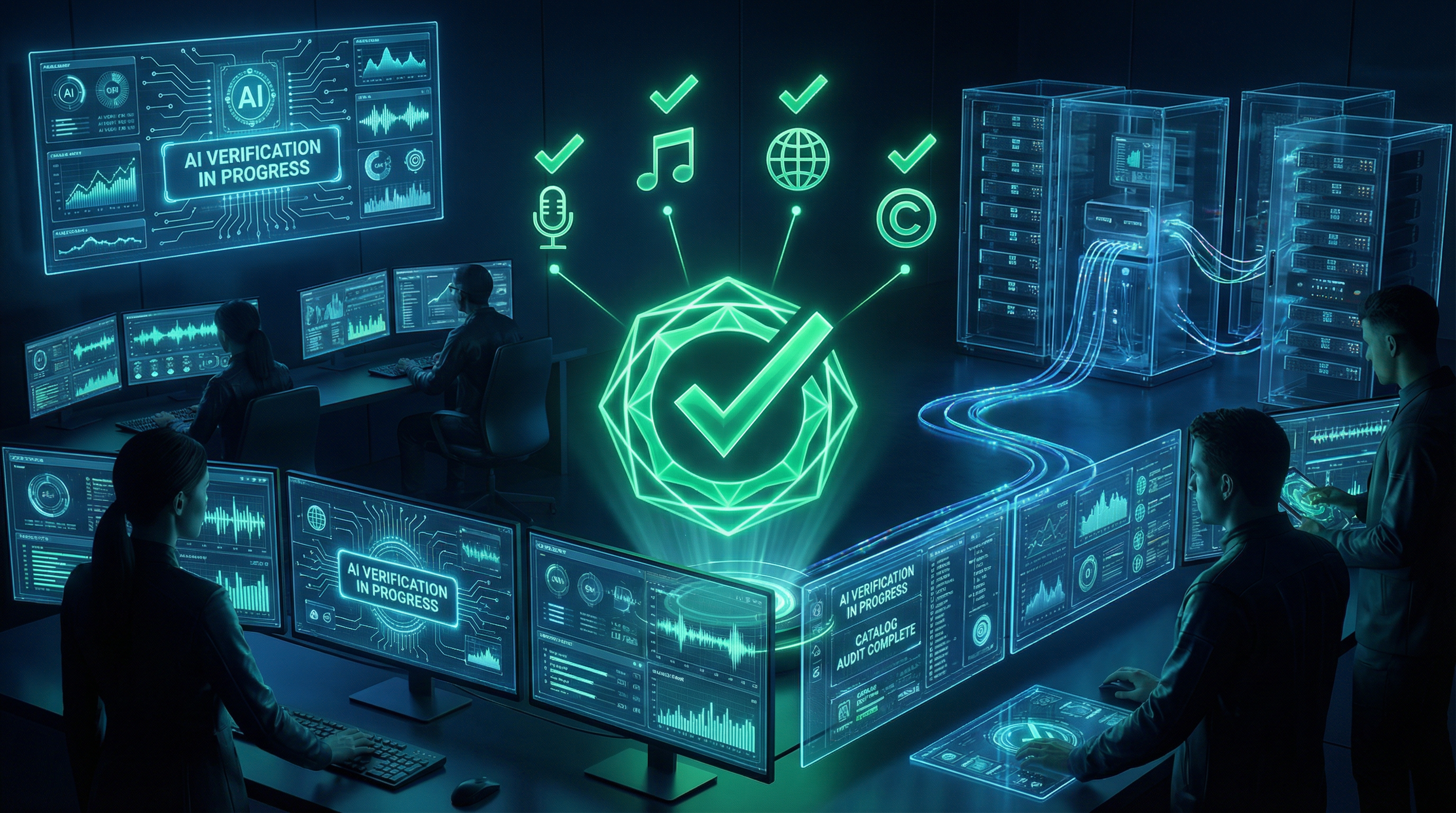
How AI Music Detection Technology Works
Technical architecture behind DetectX — the AI music detector that identifies AI-generated songs from Suno, Udio, and other AI audio generators with evidence-grade accuracy.
What DetectX Builds
DetectX develops proprietary verification systems for detecting AI-generated content across music and voice. Our patent-pending technology provides deterministic, reproducible analysis that can be independently verified.
Unlike probabilistic detection systems that output confidence scores, DetectX reports binary structural observations: either AI signal evidence was observed, or it was not. This approach eliminates the ambiguity inherent in percentage-based classifications.

AI Music Detection Architecture — How We Detect AI-Generated Songs
DetectX Audio uses a proprietary multi-stage verification architecture. Multiple independent analysis engines work in concert to maximize human protection while maintaining effective AI detection. The specific engine design and interaction model are protected under pending patent applications.
Human Protection Priority: The architecture is designed so that human-created content passes verification with near-zero false positive rates. When no AI signal evidence is found, the verdict is trusted immediately without additional processing.
AI Detection Depth: When initial analysis detects potential AI signals, additional proprietary verification stages activate to confirm or reject the finding. This multi-layered approach ensures high-confidence verdicts.
Genre Note: Some genres may exhibit signal characteristics similar to AI-generated music due to heavy processing: Electronic/EDM, Hip-hop (heavily produced), Dance/House, and Lo-fi. These genres may have slightly higher false positive rates. The system prioritizes human artist protection as its primary design constraint.

DetectX Voice — Deepfake Voice Detection
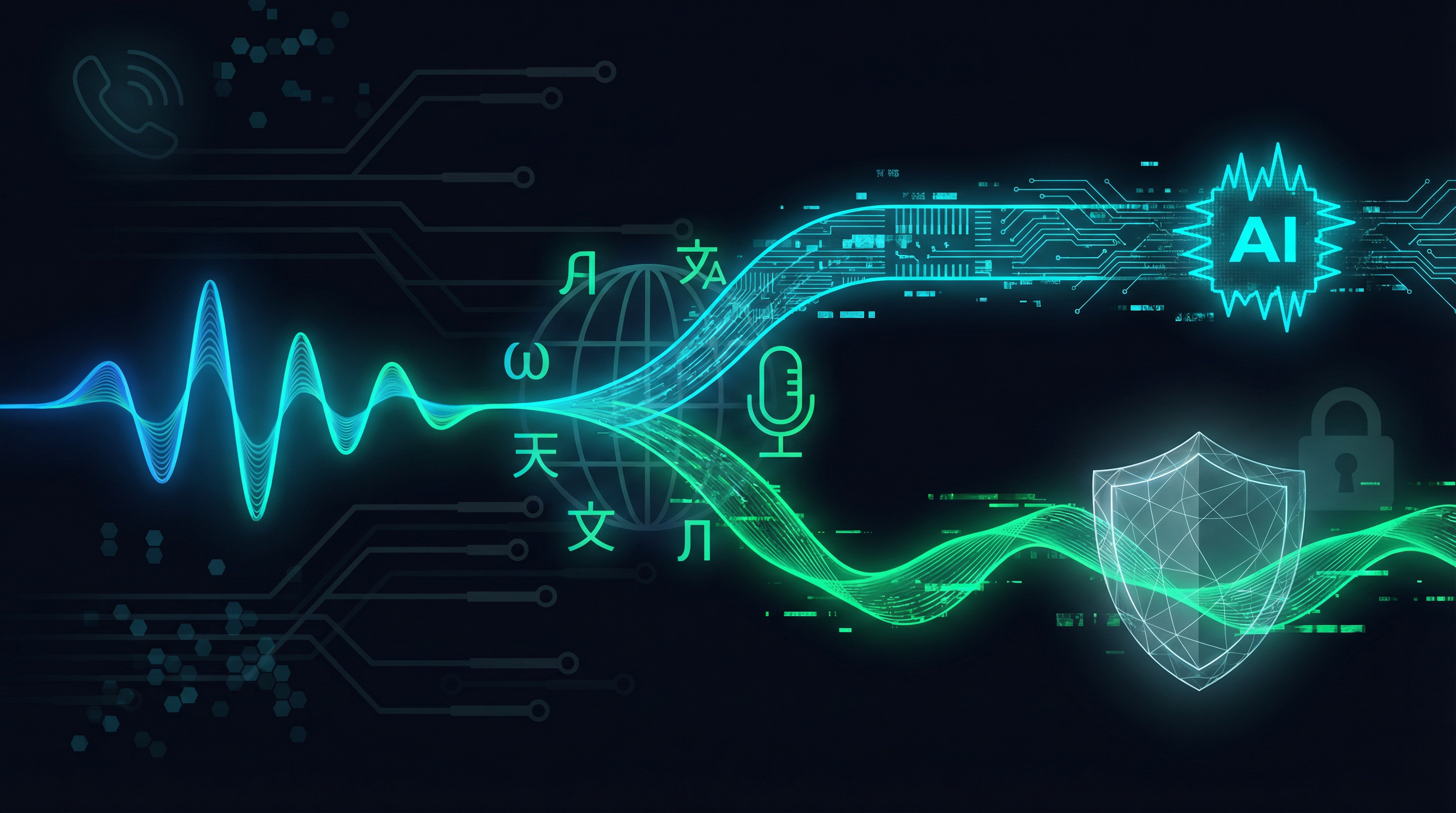
DetectX Voice detects AI-generated speech and deepfake voices using proprietary self-supervised learning technology. The system achieves 97.8% detection rate across major commercial TTS engines including real-time phone call conditions.
Phone-Ready: Optimized for telephony conditions — G.711 codec, 8kHz sampling, background noise. Phone environments actually improve detection as codec artifacts amplify AI signal evidence.
Multilingual: 100% detection rate on Korean, Japanese, and Chinese voice deepfakes. Minimum 2 seconds of audio required for reliable detection.
Use Cases: Voice phishing prevention for financial institutions, voice evidence verification for law enforcement, and consumer protection against deepfake voice scams.
Core Technical Principles
Deterministic Processing
Every step in the verification pipeline produces identical output for identical input. The same audio file will always produce the same verdict — a requirement for professional credibility.
Human-Safe by Design
The system is calibrated to ensure that human creative work does not trigger false positives. Human safety is a hard design constraint, not an optimization target. Detection sensitivity is sacrificed before human safety is compromised.
Proprietary Multi-Stage Verification
Multiple independent engines cross-validate results to minimize false positives while maintaining strong AI detection. The architecture and engine interaction model are protected under pending patent applications.
Binary Verdict Model
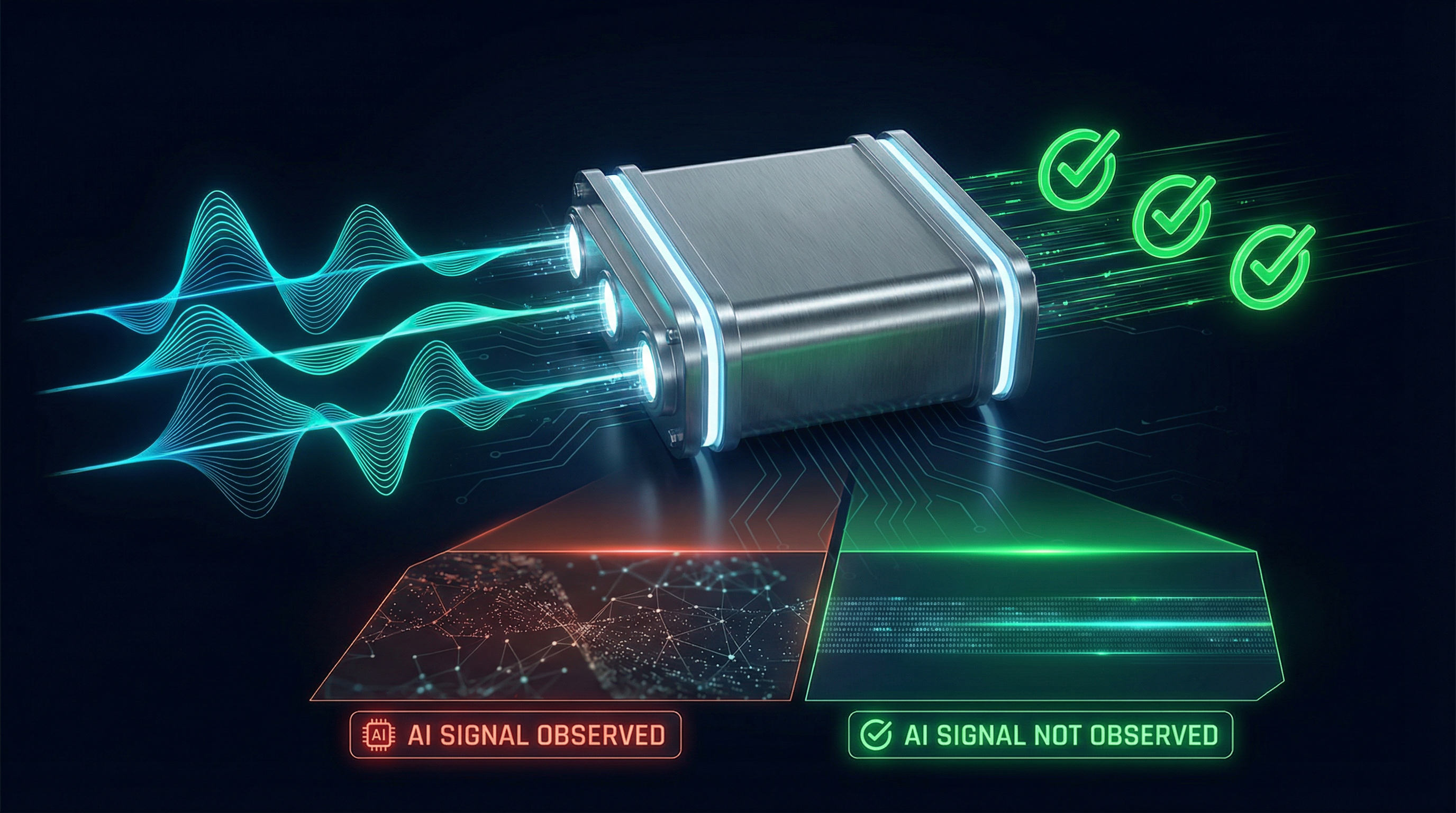
DetectX does not output confidence percentages or likelihood ratios. The system reports binary structural observations only: evidence was observed, or evidence was not observed.
AI Detection Verdict Model
The DetectX verdict model is intentionally constrained to two possible outcomes:
Structural signal behavior exceeded what can be explained by human creation alone.
Structural signal behavior falls within human-normalized baseline parameters.
These verdicts describe structural observations only. They do not imply authorship, creative intent, or legal attribution.
System Boundaries
DetectX Audio operates within clearly defined boundaries:
- •Mix-level audio only (no source isolation required)
- •Minimum duration requirements for reliable analysis
- •Supported formats: WAV, MP3, FLAC, AAC, OGG
- •Maximum file size: 200MB per analysis
- •No real-time streaming analysis
AI Music Detection Use Cases
DetectX Audio is designed for integration into professional workflows where verification is required:
- •Content submission pipelines for labels and distributors
- •Pre-release verification for studios and producers
- •Catalog auditing for rights holders
- •Independent verification for creators and artists
The system provides a shared, deterministic reference that all parties can independently verify.